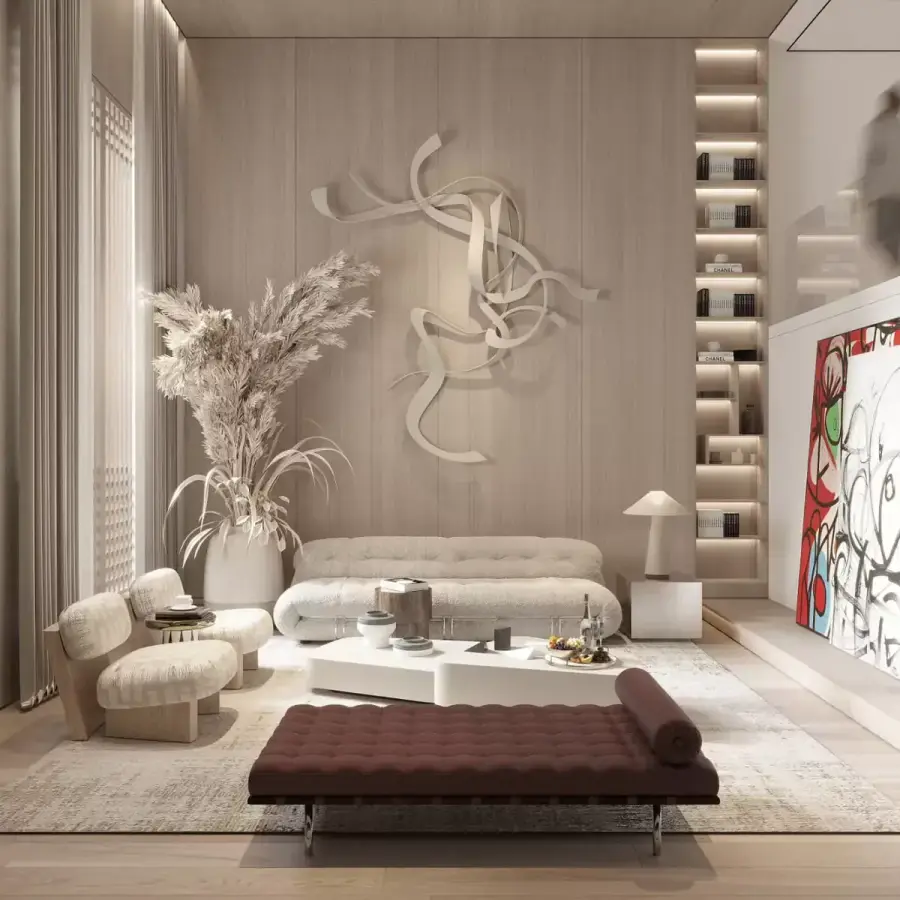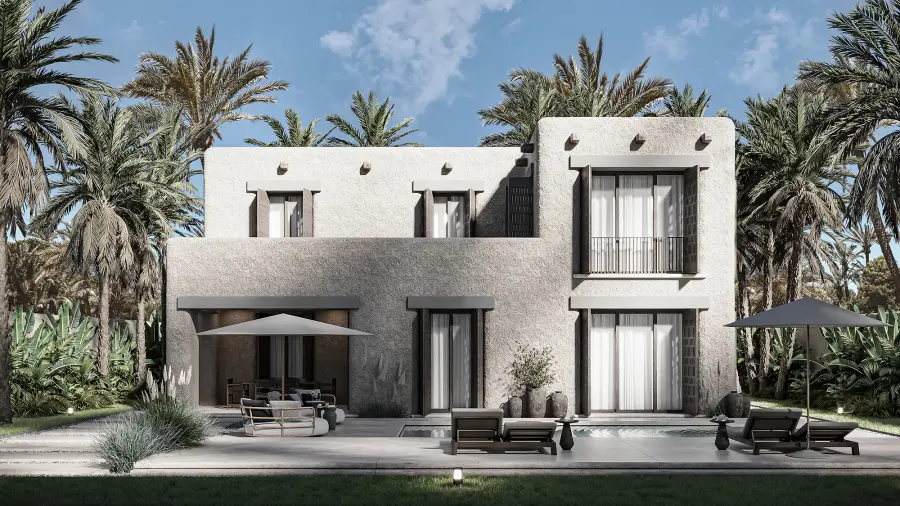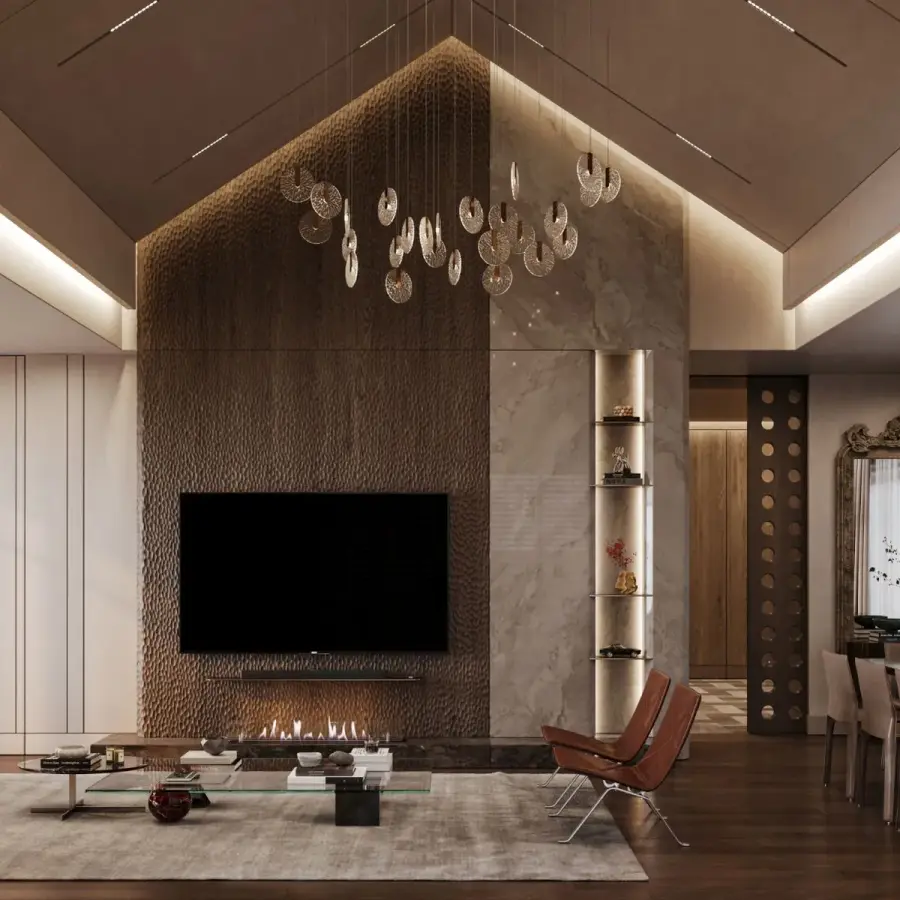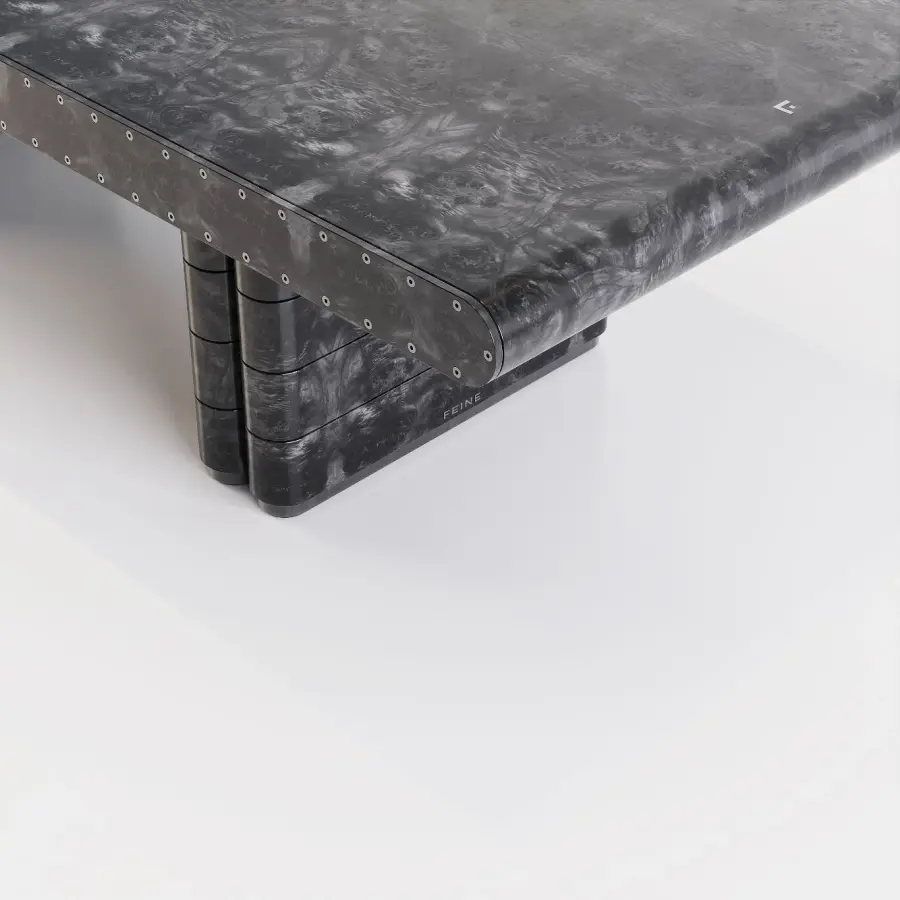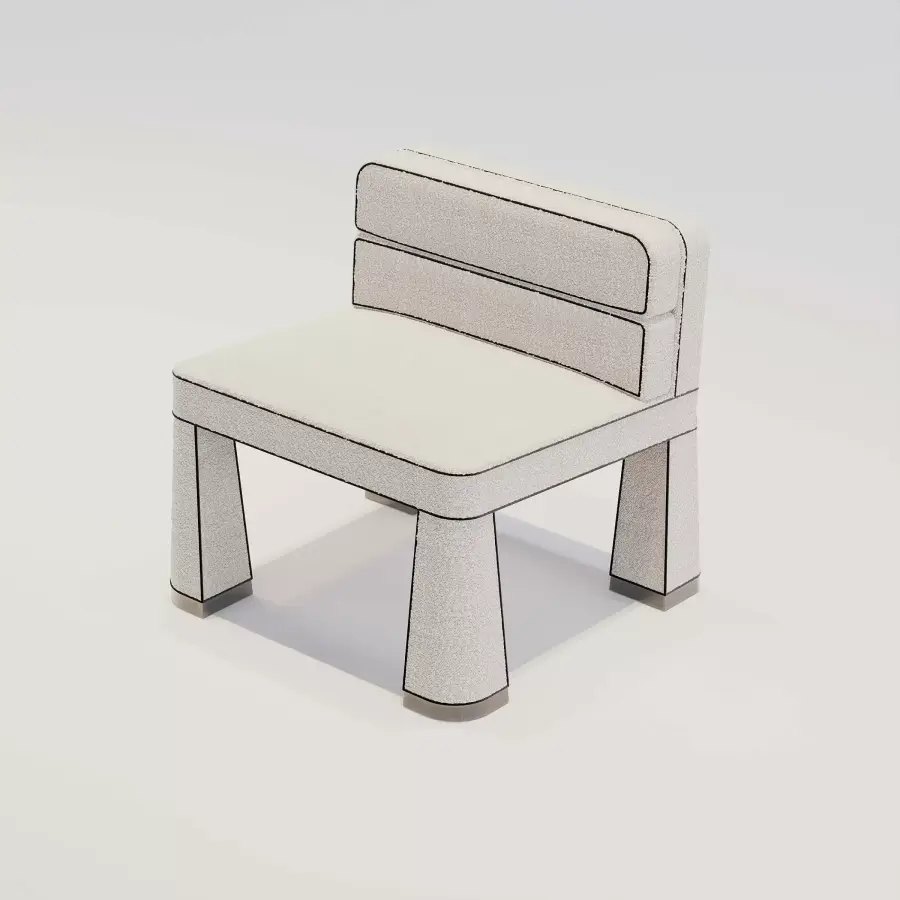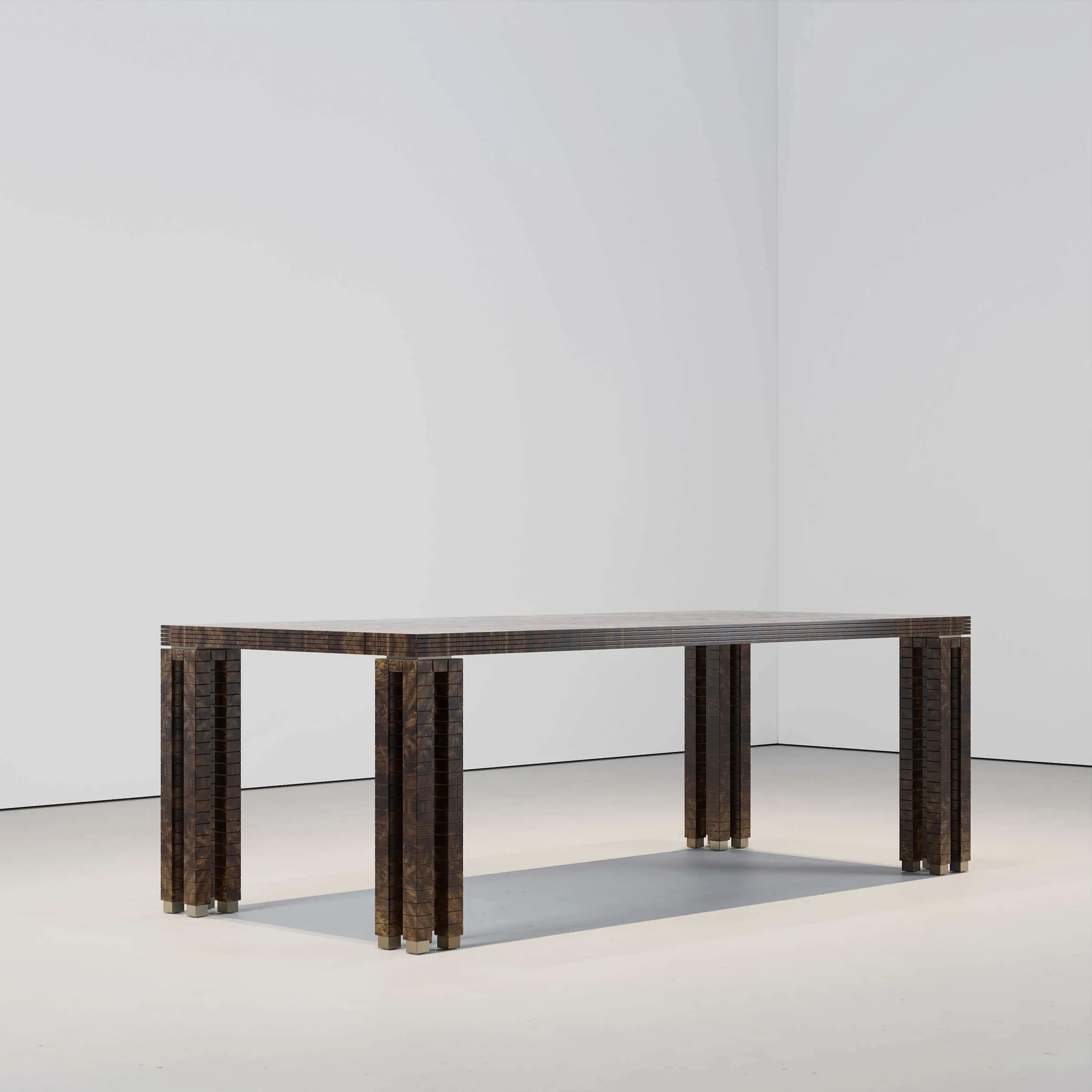
Ready-made furniture is fitted into a space; bespoke furniture is designed for it. A wardrobe that sits exactly in a niche, a dining table sized to the proportions of the room or a sideboard running the length of a wall is not bought but made. So how does the process work?
In short: Bespoke furniture starts with a survey on site, is defined through design and technical drawings, is made in the workshop once materials and finishes are approved, and is fitted on site. For complex pieces, or pieces that will be repeated, a prototype is made before production. The result is a piece that fits the dimensions and use of the space exactly.
In this article we go through these steps in order. In FEINE’s bespoke furniture design and production service, furniture is made to measure in our own workshop in Istanbul.
1. Survey and brief
The process starts with measuring the place where the furniture will go. Whether the walls are plumb, the floor level, the positions of sockets and services and the swing of doors and windows are all recorded, because even a few millimetres’ difference in a fitted wardrobe becomes visible on site. The brief is defined at the same stage: what will be stored, how many people will sit, how the piece will be used.
2. Design and technical drawings
The survey and brief first become a design: the proportions of the piece, its relationship to the other furniture in the room and its overall form are shown in 3D visuals. Once the design is approved, technical drawings are prepared. These include joint details, hardware such as hinges and runners, door and drawer divisions and lighting channels; the workshop builds from these drawings.
3. Materials and finishes
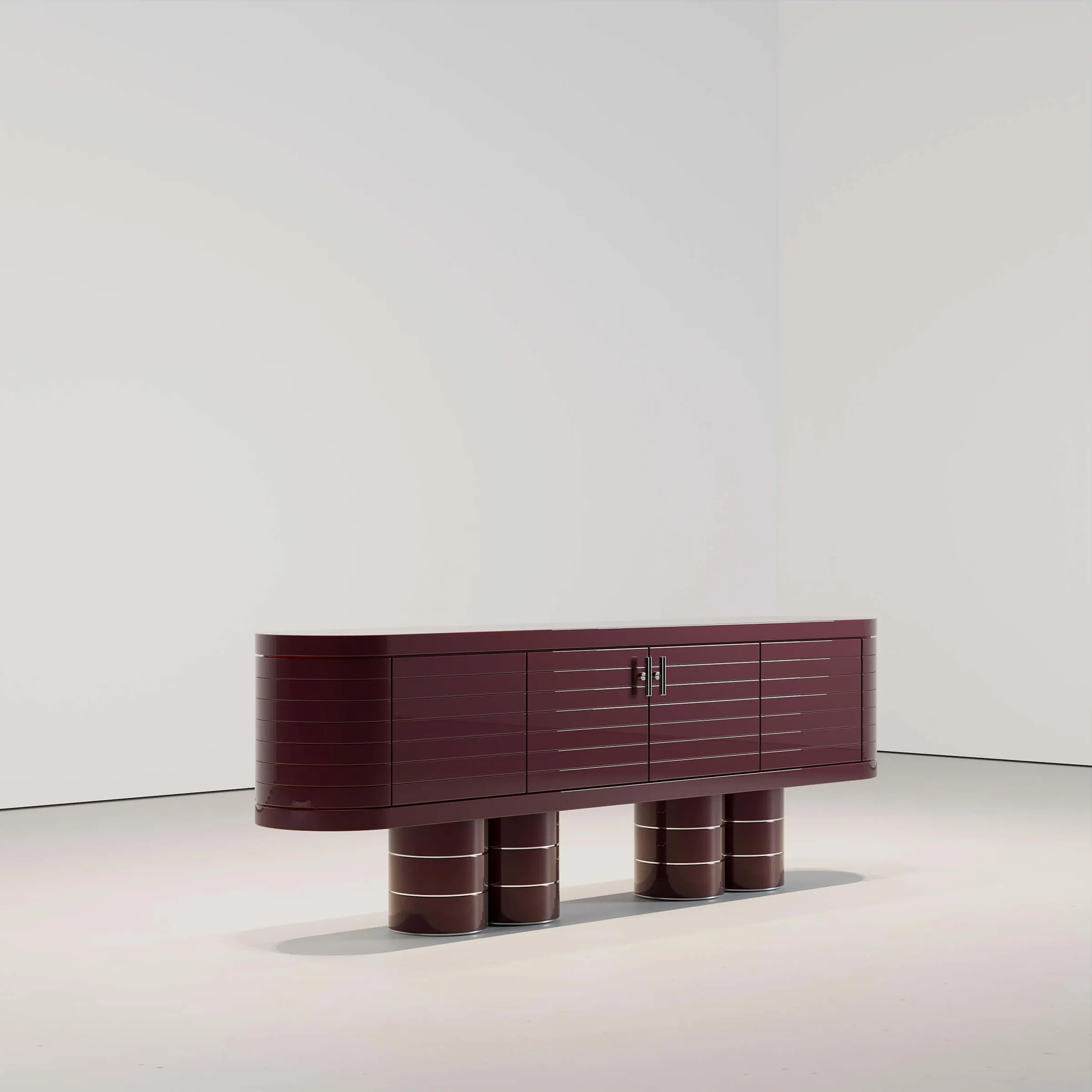
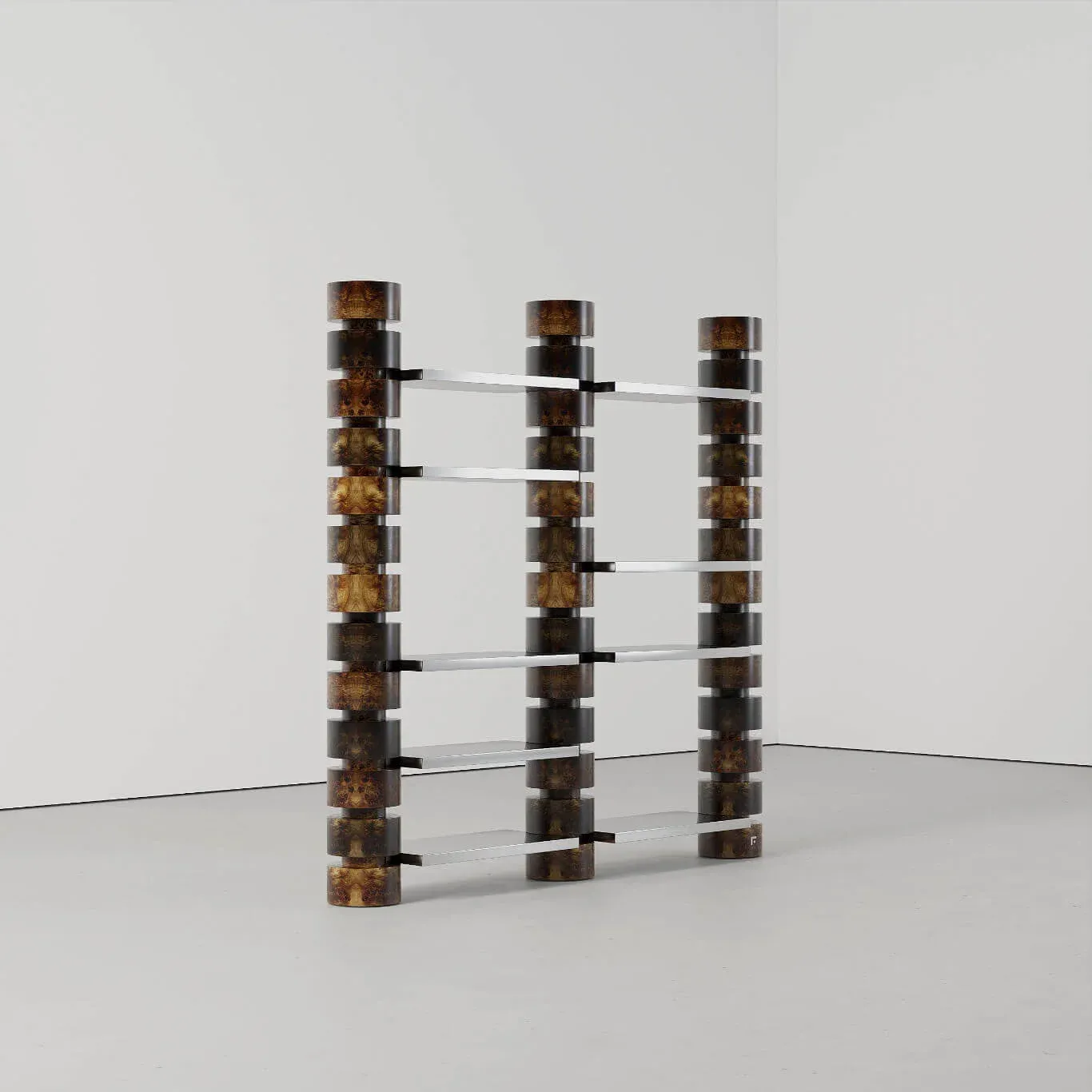
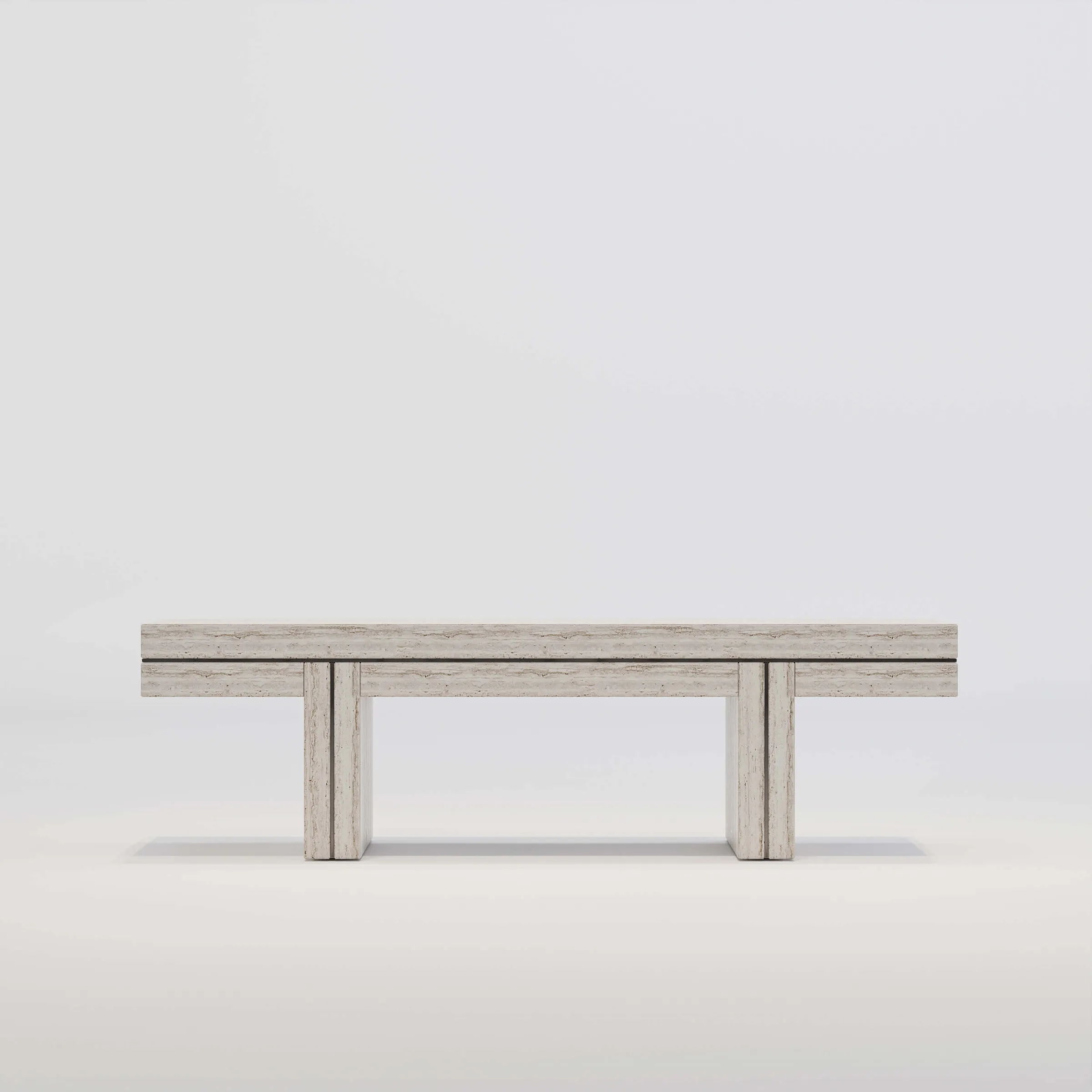
The same design takes on a completely different character in different materials. The species and grain direction of the veneer, the colour and sheen of the lacquer, the tone of the metal and the veining of the stone are chosen from samples. The FEINE collection uses surfaces such as burl veneer, lacquer and travertine together with metals such as brass, chrome and stainless steel.
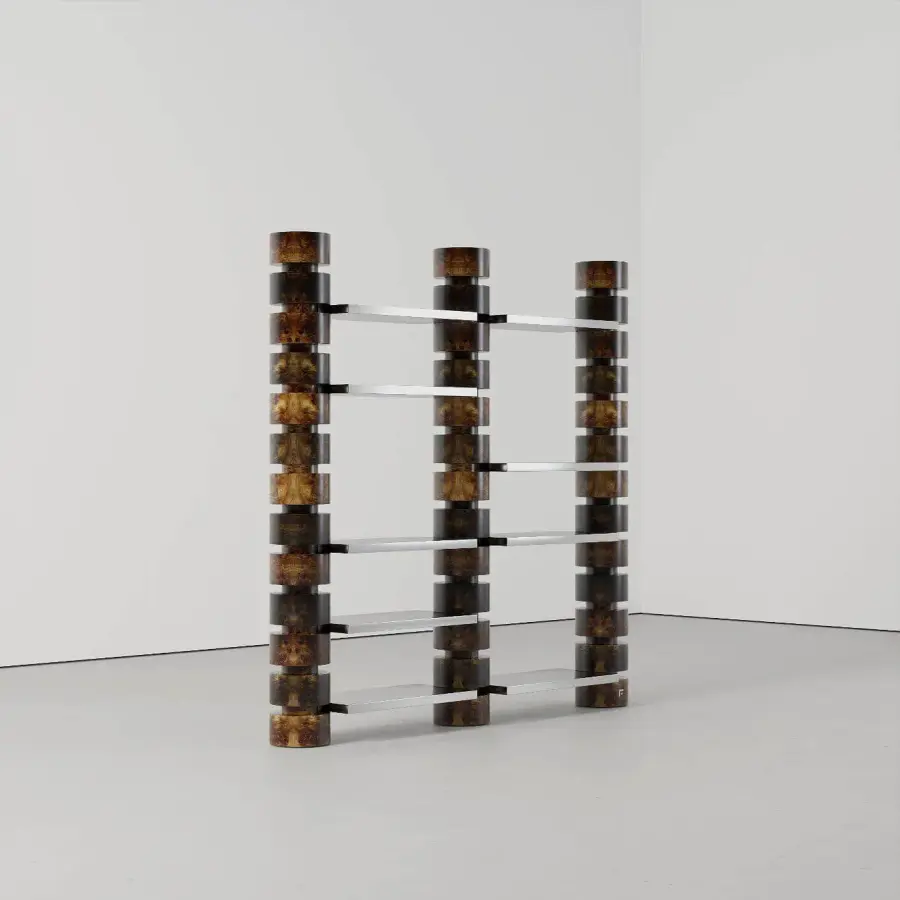
For example, the Vaneern Credenza is made of travertine and antique brass, the Miami Console of lacquer and chrome, and the Loop Bookcase of burl veneer and chrome. We describe the effect of materials on a space in our article Most Commonly Used Materials in Interior Design.
4. Prototype
Where there is a complex joint, a new finish or a piece that will be repeated dozens of times in a project, a prototype or a full-scale detail sample is made before production. The prototype lets proportions, seating comfort, door gaps and surface quality be seen at real scale. Because corrections are made at this stage, there are no surprises in production.
5. Production in the workshop
Following the approved drawings, panels are cut, veneered and edged; solid timber parts are shaped and metal components prepared. Then comes finishing: sanding, painting or polishing, and drying. Surface quality is largely decided at this stage; behind a good lacquer or polish are coats repeated with patience. The parts are brought together in a trial assembly in the workshop and checked.
6. Fitting and handover
Furniture is brought to site once the dusty work is finished. Fitted pieces are adjusted to the walls and floor, doors are aligned and lighting is connected. In turnkey execution, furniture production is planned together with the site schedule, so that the furniture is completed at the same time as the rest of the work.
Which furniture is made to order?
- Fitted wardrobes and dressing rooms
- Kitchens and bathroom furniture
- Acoustic wall panels and architectural joinery
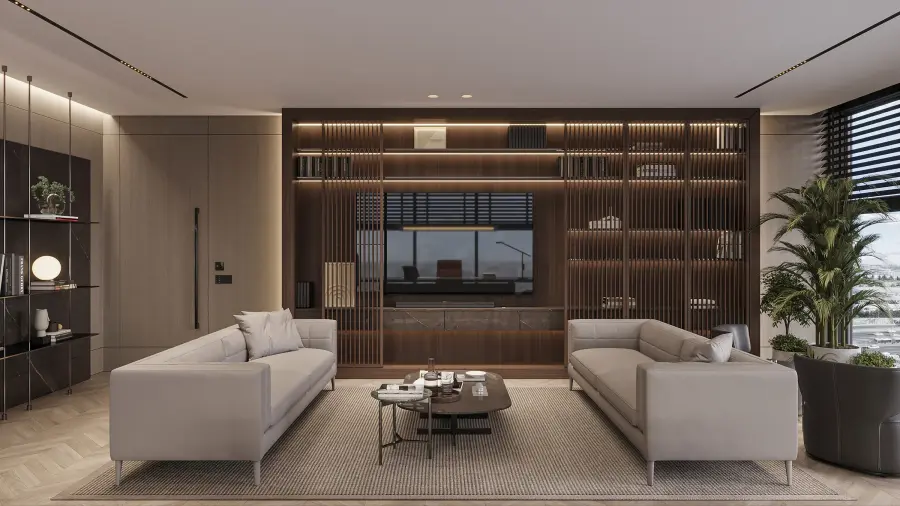
- Freestanding pieces such as dining tables, sideboards, bookcases and coffee tables
Freestanding pieces can also be adapted to measure. Every piece in the FEINE collection can be made to measure, with personalised upholstery options, for private residences, villas and executive offices. You can see the pieces on the collection page, and read about the general advantages of bespoke furniture in our article Bespoke Furniture.
Frequently Asked Questions
What is the difference between bespoke and ready-made furniture?
Ready-made furniture is produced in set sizes and options, and the space is arranged around it. Bespoke furniture is designed for the dimensions, use and material palette of the space, so niches, sloping ceilings or unusual proportions stop being a problem.
Can I have a piece from the collection made in a different size?
Yes. The pieces in the FEINE collection can be made to measure, with personalised upholstery options; contact us to adapt a piece to the dimensions of your space.
Can we work together on furniture only?
Yes. Bespoke furniture can be designed and made independently of an interior design project and its execution. For a single piece or all the fitted furniture of a home, contact us through our quote form.
Conclusion
Bespoke furniture is a chain of connected steps from survey to fitting, and the decision made at each step shapes the next. Having design and production in the same team ensures that a detail considered on the drawing is not lost in the workshop. If you are thinking of a piece made for your space, contact us through our quote form.