
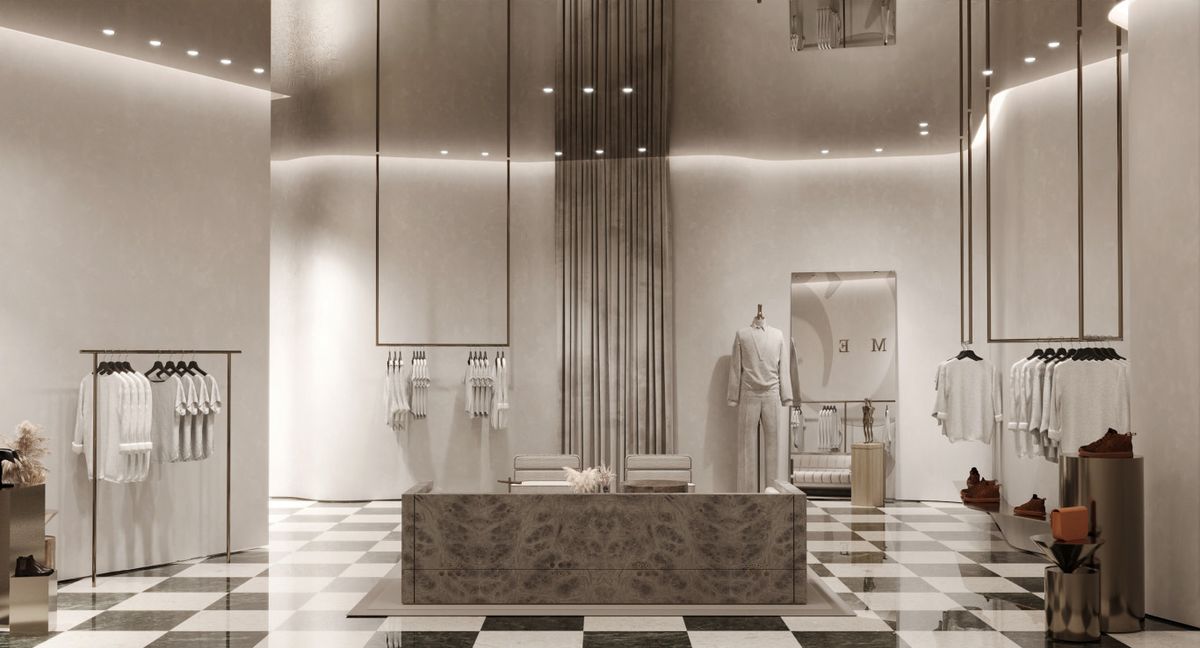
Interior Architecture Trends in Store Design
Experience-Driven Spaces, Quiet Luxury, and Architecture as Brand Expression
Store design has evolved beyond product display into a spatial brand experience. Interior architecture is no longer a supporting layer to sales—it is a primary driver of perception, engagement, and loyalty. Today’s most compelling retail spaces communicate value through atmosphere, materiality, and carefully choreographed movement.
This article examines the key interior architecture trends shaping contemporary store design, focusing on sustainability, experience, sensory perception, and timeless aesthetics.
Sustainable and Natural Material Language
Sustainability has become a core design principle rather than an optional statement.
-
Recyclable and natural materials
-
Long-lasting surfaces that age with character
-
Locally produced furniture and bespoke details
This approach translates environmental values into a tangible spatial experience, fostering trust and authenticity between brand and visitor.
Experience-Oriented Store Concepts
Modern stores are no longer transactional spaces; they are environments to explore, linger, and connect.
-
Interactive zones that enhance product engagement
-
Social nodes that encourage pause and discovery
-
Flexible layouts suited to launches and events
Architecture no longer merely directs—it invites participation.
Multi-Sensory Design
Retail interiors now engage more than just visual perception, embracing a holistic sensory approach.
-
Tactile material palettes
-
Acoustic comfort through layered surfaces
-
Atmospheres shaped by light and scent
As a result, visitors don’t just see the space—they feel it and remember it.
Modular and Flexible Spatial Systems
Dynamic retail demands adaptable architecture.
-
Reconfigurable modular systems
-
Layouts responsive to seasonal collections
-
Pop-up and hybrid-use scenarios
This flexibility allows architecture to move in rhythm with the brand’s evolving narrative.
Integration of Digital and Physical Experience
Digital layers are now seamlessly embedded within physical space.
-
Interactive displays and digital shopfronts
-
QR-enabled product storytelling
-
Technology that enhances—not dominates—the environment
The result is a fluid journey between physical presence and digital engagement.
Timeless Aesthetics and Quiet Luxury
Excess gives way to restraint. The prevailing architectural language favors clarity over spectacle.
-
Balanced proportions and spatial breathing room
-
Low-saturation, neutral color palettes
-
Minimal yet highly refined detailing
This approach positions the store as a long-term brand asset, not a short-lived visual statement.
Conclusion: Space as the Brand’s Quiet Voice
Interior architecture trends in store design reflect a convergence of aesthetics, function, and strategy. A well-designed retail space does more than sell—it communicates, engages, and endures.
True impact lies not in excess, but in clarity, balance, and thoughtful architecture.